Deep Learning Diploma
From convolutional networks to Transformers and model deployment
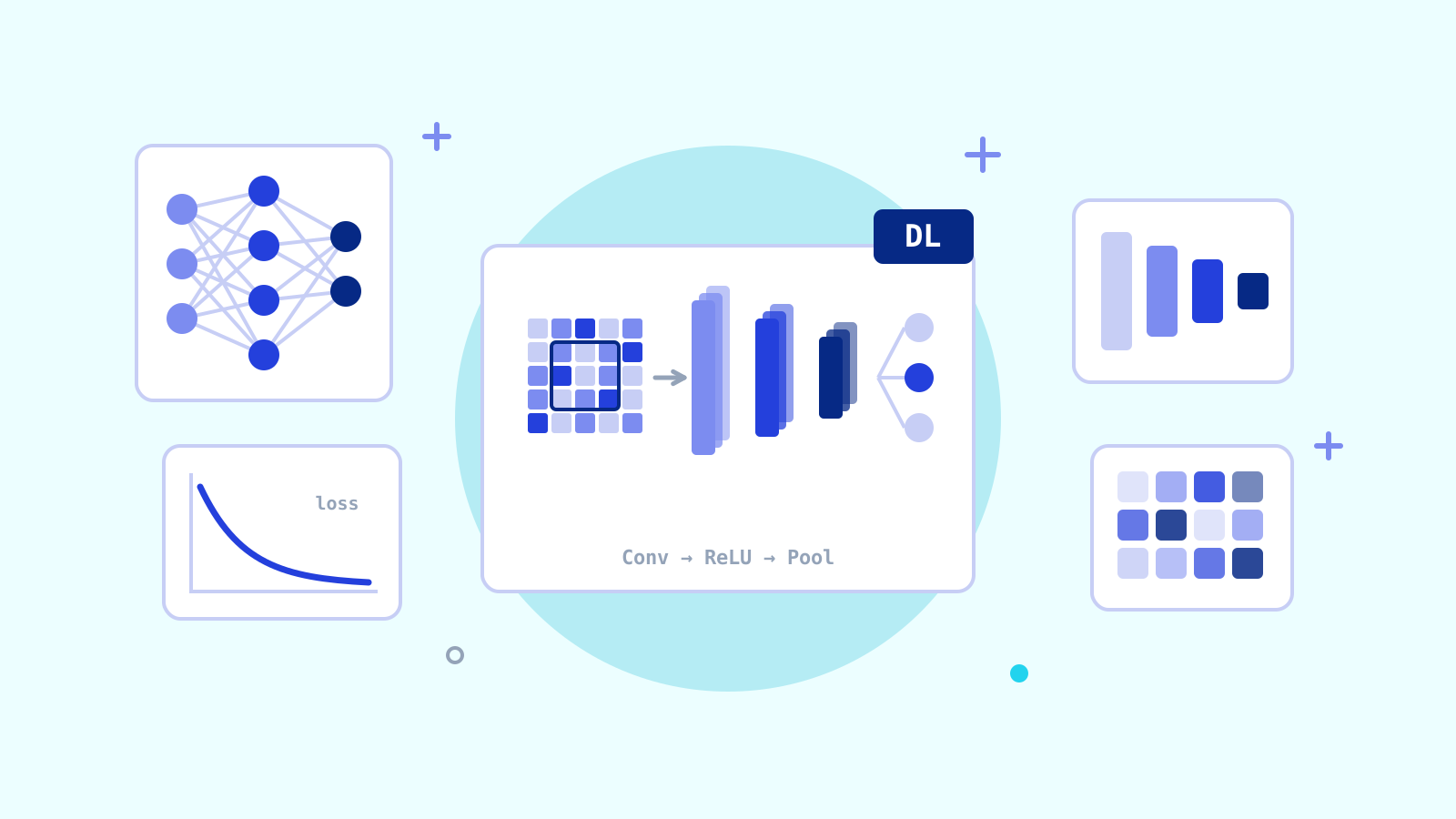
You start with PyTorch, then convolutional (CNN) and recurrent networks (RNN and LSTM), move on to generative AI (VAE and Transformer) and computer vision problems: classification, semantic segmentation, and keypoint and object detection, then vision transformers (ViT and DETR), model quantization and recommender systems.

Senior Vision Engineer, NVIDIA
What you'll learn
- Build and train your models in PyTorch.
- Design convolutional networks (CNN) and understand convolution, padding and stride (Padding, Stride).
- Build recurrent networks (RNN and LSTM) for sequential data.
- Improve training with Dropout and Batch Normalization, and use Depthwise-Separable and Transposed Convolutions.
- Understand generative AI: VAE, the Transformer architecture and self-attention (Self-Attention).
- Solve computer vision problems: classification, semantic segmentation, and keypoint and object detection (Faster R-CNN and YOLO).
- Apply vision transformers (ViT and DETR) and analyze model errors (Error Analysis).
- Quantize models for deployment (PTQ, QAT and ONNX), get introduced to recommender systems, and complete a full computer vision project.
Students who learned with us now work at
Names verified with their owners' consent. We make no job promises.
 NVIDIA · PhD, SFU
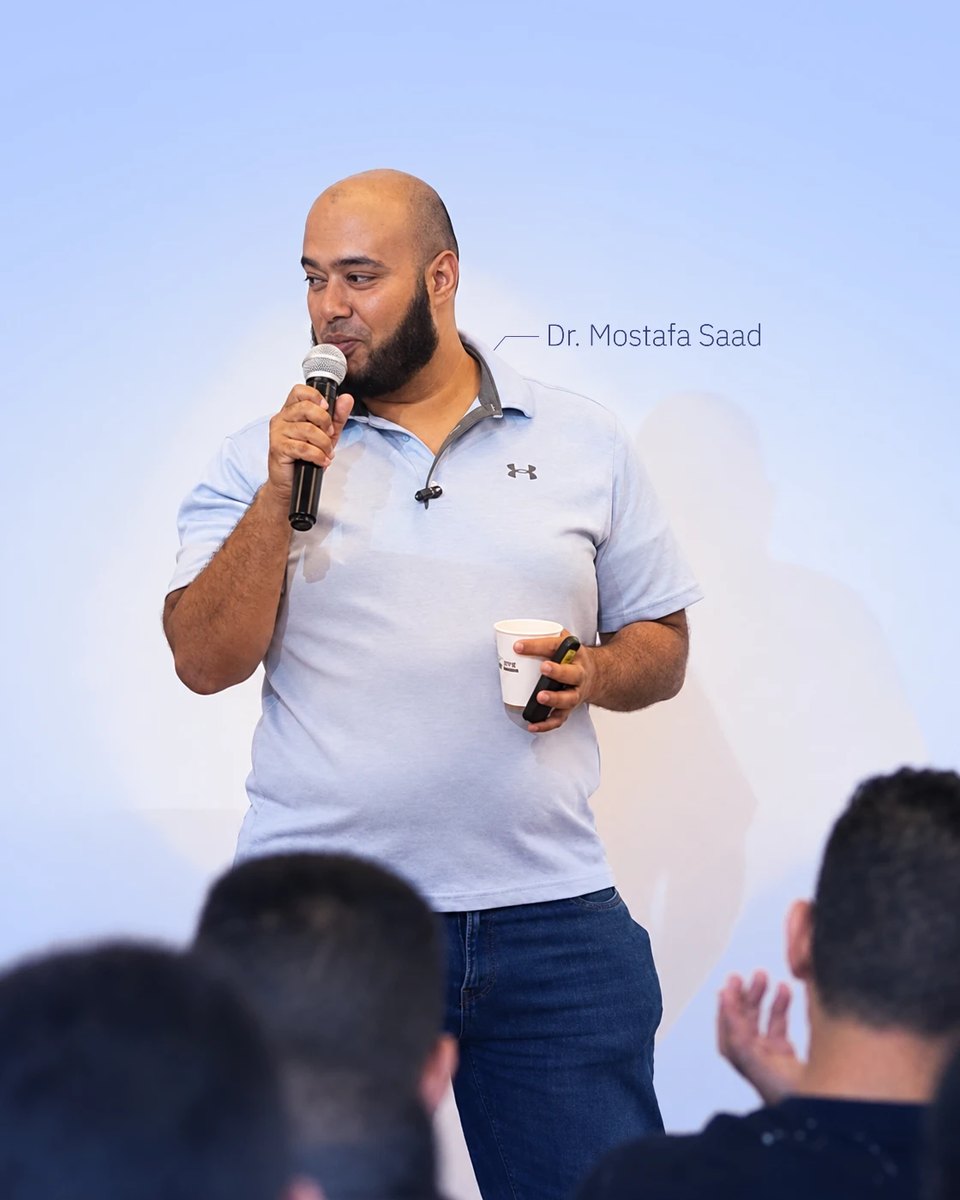
Dr. Mostafa Saad Ibrahim
He has worked in AI for 15 years across research and engineering, and has published papers at CVPR and ECCV with more than 1,000 combined citations. He has taught programming since 2006 and runs a leading Arabic competitive programming channel on YouTube with more than 134 thousand subscribers.
Why he teaches this diploma himself
- Works daily on computer vision systems at NVIDIA
- PhD in computer vision (Computer Vision) from Simon Fraser University
- Published research at CVPR and ECCV, with more than 1,000 citations in total
Full curriculum: 12 units
The diploma includes hands-on challenges with explained solutions, and two hands-on projects. 3 lectures are free, so you can judge the teaching before you decide.
01Welcome4 lectures
02PyTorch Framework6 lectures
03CNN14 lectures
04RNN10 lectures
05Project - CV8 lectures
06More on DNN Basics7 lectures
07GenAI - VAE5 lectures
08GenAI - Transformer for NLP11 lectures
092D Vision Problems34 lectures
10Vision Transformers7 lectures
11Model Quantization7 lectures
12Recommender Systems5 lectures
What you'll take away from this diploma
Tools
Concepts
Prerequisites
Neural network fundamentals (Backpropagation and AutoEncoder) and solid Python experience; ideally you have completed the Machine Learning Diploma
Why CSkilled instead of scattered resources?
A comparison between learning from scattered resources and learning from one integrated curriculum.
Scattered resources (YouTube / generic courses / bootcamps)
- Depth and curriculum: Scattered content with no clear order, so you get lost between levels.
- Practice: Few problems, often without explained solutions, and small, incomplete projects.
- Instructor and language: Uneven quality of explanation, and much of it is in English only.
- Support and cost: No guidance, and dollar-priced subscriptions or expensive bootcamps.
What do you get at CSkilled Academy?
- Depth and curriculum: 120 lectures and 140 hours across 12 structured modules that explain the idea before using any ready-made tool.
- Practice and projects: Graded problems with explained solutions, and hands-on projects that bring what you learned together into complete work.
- Instructor and language: Taught in Arabic with English terminology, with six Diplomas taught by Dr. Mostafa Saad, who has taught programming for 20 years and is a Senior Computer Vision Engineer at NVIDIA with a PhD in Computer Vision.
- Support and payment: A support team that answers your questions on WhatsApp, and interest-free installments for up to 6 months.
Real experiences from students who completed the journey
120 lectures · 140 hours
Choose the payment plan that suits you
No interest and no hidden fees. The large number is what you pay today.
Full payment
3-month installments
6-month installments
Installments are currently available in Egyptian pounds only. To ask about dollar installments: Contact us.
Down payment at checkout, then installments every 30 days. No interest and no late fees; access pauses if an installment is not received within 3 days of its due date.
Start with the free lectures today
Deep Learning Diploma: 120 lectures and 140 hours. Start free, no payment details needed.
Questions before you enroll
What are the prerequisites for this diploma?
A good grasp of neural network fundamentals (Backpropagation and AutoEncoder) and solid experience with Python and building projects. Ideally, you have completed the Machine Learning Diploma.
How many hours a week do I need?
6 to 8 hours a week is enough to progress steadily. Study is self-paced and can be balanced with school or work.
Are the lectures recorded?
Yes, they're fully recorded and you watch them whenever suits you.
How long does access to the content last?
Lifetime access (Lifetime Access): watch the content anytime with no expiry, including any updates or new additions to the content for free.
Do I get a certificate?
Yes, you receive a certificate of completion issued by CSkilled and signed by Dr. Mostafa Saad.
What payment methods are available?
InstaPay, Fawry and bank cards, with interest-free installments for up to 6 months.
Why explanations in Arabic with English terminology?
So you understand ideas in your own language, while working with references and the job market in its own terminology.